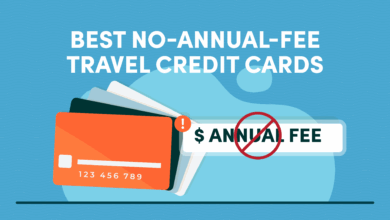
Delving into the world of the best credit cards for airline miles, this guide offers a comprehensive look at how you can maximize your travel rewards efficiently and effectively.
From earning strategies to redemption options, this guide covers everything you need to know to make the most of your credit card miles for your next adventure.

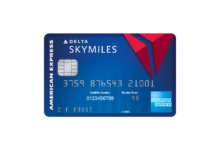




Research about the concept of airline miles and how they work.
Airline miles are rewards points that can be earned by customers for making purchases with participating airlines or partners. These miles can then be redeemed for various rewards such as free flights, upgrades, hotel stays, and more. Unlike other types of rewards points, airline miles are specific to a particular airline or airline alliance.
How Airline Miles Can Be Earned
- Through Credit Card Purchases: Many credit cards offer rewards in the form of airline miles for every dollar spent on purchases.
- By Flying: Passengers can earn miles by flying with a particular airline or its partners.
- Shopping and Dining: Some airlines have partnerships with retailers and restaurants where customers can earn miles for making purchases.
Popular Airline Mile Programs
- American Airlines AAdvantage: Members can earn miles by flying with American Airlines or its partner airlines, as well as through credit card purchases and other promotions.
- Delta SkyMiles: Delta offers a comprehensive program where members can earn miles through flights, credit card spending, and other activities.
- United MileagePlus: United’s program allows members to earn miles through flights, hotel stays, car rentals, and credit card purchases.
Compare different credit cards for airline miles based on their benefits.
When looking for a credit card that offers airline miles, it’s essential to consider various factors such as sign-up bonuses, earning rates, redemption options, additional perks, annual fees, interest rates, and foreign transaction fees. Let’s compare some popular credit cards based on these criteria.
Sign-Up Bonuses
- Chase Sapphire Preferred: Offers a sign-up bonus of 60,000 points after spending $4,000 in the first three months.
- American Express Gold Card: Provides a sign-up bonus of 60,000 points after spending $4,000 in the first six months.
- Citi AAdvantage Platinum Select: Gives a sign-up bonus of 50,000 miles after spending $2,500 in the first three months.
Earning Rates
- Chase Sapphire Preferred: Earns 2X points on travel and dining.
- American Express Gold Card: Earns 4X points at restaurants and supermarkets.
- Citi AAdvantage Platinum Select: Earns 2X miles on eligible American Airlines purchases.
Redemption Options
- Chase Sapphire Preferred: Transfer points to various airline and hotel partners.
- American Express Gold Card: Redeem points for flights through Amex Travel or transfer to airline partners.
- Citi AAdvantage Platinum Select: Use miles for flights with American Airlines and partner airlines.
Additional Perks
- Chase Sapphire Preferred: Provides primary car rental insurance and trip cancellation/interruption insurance.
- American Express Gold Card: Offers up to $120 dining credit and $100 airline fee credit annually.
- Citi AAdvantage Platinum Select: Includes preferred boarding and first checked bag free on domestic American Airlines flights.
Annual Fees, Interest Rates, and Foreign Transaction Fees
- Chase Sapphire Preferred: $95 annual fee, variable APR, no foreign transaction fees.
- American Express Gold Card: $250 annual fee, variable APR, foreign transaction fees apply.
- Citi AAdvantage Platinum Select: $99 annual fee (waived first year), variable APR, foreign transaction fees apply.
Analyze the best credit cards for airline miles for frequent travelers.
When it comes to frequent travelers, having the right credit card that offers airline miles can make a significant difference in maximizing rewards and travel benefits. Let’s explore some of the best credit cards tailored to meet the needs of those who fly often.
Cards with the Best Rewards for Frequent Flyers
- American Express Platinum Card: This card offers a generous sign-up bonus, access to airport lounges, and bonus points for travel-related purchases. It also provides travel insurance and concierge services, making it a top choice for frequent flyers.
- Chase Sapphire Reserve: Known for its flexibility in redeeming points for travel, this card offers bonus points on dining and travel purchases. It also includes travel credits, airport lounge access, and travel insurance benefits.
- Citi Prestige Card: With perks like a fourth-night free hotel benefit, airport lounge access, and bonus points on air travel and dining, this card is ideal for frequent travelers looking for luxury perks.
Catering to Frequent Travelers’ Needs
- Priority boarding and check-in: Many of these credit cards offer priority boarding and check-in privileges, allowing frequent travelers to breeze through the airport process.
- No foreign transaction fees: Cards geared towards frequent flyers often waive foreign transaction fees, making it cost-effective for international travel.
- Travel credits and reimbursements: Frequent travelers can benefit from travel credits, reimbursements for Global Entry or TSA PreCheck fees, and other perks that offset travel expenses.
Benefits for Domestic and International Travel
- Domestic travel: Credit cards for frequent flyers may offer bonus points on domestic airline purchases, discounts on in-flight purchases, and complimentary upgrades.
- International travel: For international trips, these cards may provide travel insurance, emergency assistance services, and airport lounge access worldwide, enhancing the travel experience.
- Global acceptance: Many of these credit cards are widely accepted globally, making them convenient companions for frequent travelers exploring different destinations.
Explore how credit card partnerships with airlines impact the value of airline miles.
When credit card companies team up with airlines, it creates a unique partnership that can significantly impact the value of airline miles for cardholders. These partnerships often result in co-branded credit cards that offer exclusive benefits and rewards tailored to frequent flyers.
Co-branded Credit Cards and Their Benefits
Co-branded credit cards are designed in collaboration between credit card issuers and airlines. These cards typically offer perks such as bonus miles for signing up, priority boarding, free checked bags, airport lounge access, and accelerated miles earning rates for purchases with the airline. Cardholders can also enjoy discounts on in-flight purchases and exclusive access to special events or promotions.
Influence on Redemption Value of Airline Miles
Partnerships between credit card companies and airlines can impact the redemption value of airline miles. By using a co-branded credit card, cardholders may have access to redemption options that offer better value for their miles, such as discounted award flights, upgrades, or even access to premium cabin seats. Additionally, some partnerships may provide flexibility in redeeming miles across multiple airlines within the same alliance network.
Examples of Successful Credit Card-Airline Partnerships
One successful example of a credit card-airline partnership is the Chase Sapphire Preferred Card with United Airlines. Cardholders can transfer their Chase Ultimate Rewards points to United MileagePlus miles at a 1:1 ratio, allowing for increased flexibility and value when redeeming miles for flights or upgrades. Another example is the Citi / AAdvantage Platinum Select Mastercard with American Airlines, offering perks like priority boarding, free checked bags, and bonus miles for airline purchases.
Evaluate the flexibility of different credit cards for airline miles.
When it comes to choosing a credit card for airline miles, flexibility is key. Let’s explore how different credit cards offer varying levels of flexibility in redeeming miles for travel rewards.
Cards that allow for flexible redemptions across multiple airlines.
- Some credit cards allow you to redeem your airline miles with a variety of partner airlines, giving you more options when it comes to booking flights.
- These cards often have alliances with multiple airlines, so you can choose the best route or airline that suits your travel needs.
- Having the flexibility to redeem miles across different airlines can also help you find better deals and availability for your desired destinations.
Advantages of cards that offer transferable points to various loyalty programs.
- Credit cards that offer transferable points provide the freedom to convert your points to a range of loyalty programs, including those of airlines and hotels.
- This flexibility allows you to take advantage of promotions and bonuses offered by different loyalty programs, maximizing the value of your points.
- Transferable points also give you the option to diversify your rewards, making it easier to redeem points for different types of travel experiences.
How versatile credit cards provide more options for maximizing travel rewards.
- Versatile credit cards not only offer the flexibility to redeem miles across multiple airlines but also provide additional travel benefits such as lounge access, travel insurance, and concierge services.
- These cards often come with higher earning rates on travel-related purchases, allowing you to accumulate miles faster and unlock more rewards.
- By choosing a versatile credit card, you can tailor your travel rewards to your specific preferences and travel habits, ensuring you get the most value out of your miles.
Discuss strategies for maximizing the value of airline miles earned through credit card spending.
Maximizing the value of airline miles earned through credit card spending is essential for frequent travelers looking to get the most out of their rewards. By employing specific strategies, you can boost your mileage balance and ensure you get the best value when it comes to redeeming those miles.
Earn Miles Faster Through Bonus Categories and Promotions
- Focus on credit cards that offer bonus miles for specific categories such as dining, travel, or groceries.
- Keep an eye out for promotions where you can earn extra miles for making purchases with partner merchants or during limited-time offers.
- Utilize shopping portals and dining programs affiliated with your credit card to earn additional miles on everyday purchases.
Strategically Redeem Miles for Maximum Value on Flights and Upgrades
- Plan your redemptions in advance to take advantage of lower mileage requirements during off-peak travel periods.
- Look for award seat availability well in advance and be flexible with your travel dates to secure the best value for your miles.
- Consider transferring miles to airline partners for better redemption options or to access premium cabin upgrades at a lower cost.
Successful Mile Redemption Strategies for Different Travel Goals
- For short-haul flights, consider using miles for economy class tickets to maximize the number of trips you can take with your mileage balance.
- If you aim for luxury travel experiences, save your miles for business or first-class redemptions to enjoy premium amenities and services.
- Explore mixed-cabin itineraries where you can combine economy and premium class segments to optimize your mileage redemption for greater value.
Examine the impact of credit score requirements on eligibility for the best credit cards for airline miles.
Having a good credit score is crucial when it comes to qualifying for the best credit cards for airline miles. Credit scores play a significant role in determining your eligibility for premium travel credit cards that offer exclusive benefits and rewards.
How Credit Scores Influence Approval for Premium Travel Credit Cards
- Credit card companies use credit scores as a key factor in evaluating an individual’s creditworthiness. A higher credit score indicates responsible financial behavior and makes you more likely to be approved for top airline mile credit cards.
- Premium travel credit cards often require a good to excellent credit score, typically above 700, to qualify for the best offers and perks. A higher credit score can also lead to lower interest rates and higher credit limits.
- Individuals with lower credit scores may still be eligible for airline mile credit cards, but they might not qualify for the most lucrative sign-up bonuses or premium benefits.
Ways to Improve Credit Scores to Qualify for Top Airline Mile Credit Cards
- Make timely payments on all your bills, including credit card payments, to demonstrate responsible credit management.
- Keep credit card balances low and avoid maxing out your credit limits, as high credit utilization can negatively impact your credit score.
- Regularly check your credit report for errors and dispute any inaccuracies that could be dragging down your credit score.
Guidance on Choosing the Right Card Based on Credit Score Eligibility
- Research credit card options that align with your current credit score range to increase your chances of approval.
- Consider starter travel credit cards or cards with lower credit score requirements if you are working on improving your credit score.
- Apply for credit cards strategically to avoid multiple hard inquiries that can temporarily lower your credit score.
Investigate the potential risks and drawbacks of using credit cards for earning airline miles.
Credit cards can be a useful tool for earning airline miles and enjoying travel rewards, but there are potential risks and drawbacks that users should be aware of to make informed decisions. Understanding these pitfalls can help individuals manage their credit card usage responsibly and maximize the benefits of earning miles.
Common Pitfalls of Using Credit Cards for Airline Miles
When using credit cards to earn airline miles, it’s essential to be aware of common pitfalls that could impact your finances and overall benefits. Some of the key risks include:
- High Annual Fees: Some credit cards designed for earning airline miles come with high annual fees, which can offset the value of the miles earned if not used effectively.
- Interest Charges: Carrying a balance on your credit card can lead to high-interest charges, eroding the value of the miles earned over time.
- Overspending: In pursuit of earning more miles, individuals may end up overspending and accumulating debt that outweighs the benefits of the rewards.
Impact of Missed Payments and Balances on Mile Earnings
Missed payments and carrying balances on credit cards can have a significant impact on the benefits of earning airline miles. Late payments can result in fees and penalties, while carrying balances incurs high-interest charges that can negate the value of the miles earned. It’s essential to pay off credit card balances in full each month to avoid these risks.
Strategies for Mitigating Risks and Responsible Credit Card Usage
To mitigate the risks associated with using credit cards for earning airline miles, individuals can adopt several strategies to ensure responsible credit card usage:
- Set a budget and stick to it to avoid overspending in pursuit of miles.
- Avoid carrying balances by paying off credit card bills in full each month to prevent interest charges.
- Keep track of payment due dates and set up automatic payments to avoid missing payments and incurring penalties.
- Regularly review credit card statements to monitor spending and ensure accuracy of charges.
Explore the latest trends and innovations in the credit card industry related to airline miles.
In recent years, the credit card industry has witnessed significant developments in the realm of airline miles, with issuers competing to offer unique features and benefits to attract travelers. Technological advancements have also played a crucial role in reshaping how consumers earn and redeem airline miles, making the process more convenient and efficient.
New Features and Benefits Introduced by Credit Card Issuers
- Credit card issuers have started offering increased sign-up bonuses to entice new cardholders, allowing them to earn a substantial number of airline miles upon approval.
- Some credit cards now provide additional perks such as complimentary airport lounge access, priority boarding, and free checked bags, enhancing the overall travel experience for cardholders.
- Issuers have introduced flexible redemption options, allowing cardholders to use their airline miles for not only flights but also hotel stays, car rentals, and other travel-related expenses.
Impact of Technology on Earning and Redeeming Airline Miles
- Technological advancements have enabled credit card users to easily track their mileage balance, receive personalized offers, and redeem rewards through user-friendly mobile apps and online portals.
- Artificial intelligence and machine learning algorithms are being utilized to analyze consumer spending patterns and offer targeted promotions to maximize the accumulation of airline miles.
- The integration of contactless payment options and digital wallets has streamlined the payment process, making it faster and more convenient for consumers to earn miles on their purchases.
Upcoming Trends Shaping the Future of Credit Cards for Airline Miles
- Issuers are expected to focus on sustainability by offering eco-friendly travel rewards and carbon offset programs to appeal to environmentally conscious consumers.
- Personalization will play a key role in the future, with credit card companies tailoring rewards and benefits to individual cardholders based on their travel preferences and spending habits.
- Collaborations between credit card issuers and airlines are likely to deepen, leading to more exclusive partnerships and enhanced benefits for frequent flyers.
Review customer reviews and feedback on the best credit cards for airline miles.
When considering the best credit cards for airline miles, it is important to take into account the experiences and feedback shared by actual cardholders. By analyzing customer reviews, we can gain valuable insights into the rewards, benefits, and customer service provided by these credit cards.
Customer Experiences and Satisfaction Levels
- Many cardholders praise the generous sign-up bonuses offered by top credit cards for airline miles, allowing them to earn a significant number of miles from the start.
- Customers appreciate the flexibility of redemption options provided by certain credit cards, including the ability to transfer miles to various airline partners.
- Positive feedback is often given to credit cards that offer additional travel perks such as airport lounge access, free checked bags, and priority boarding.
- Some users have reported excellent customer service experiences when dealing with issues related to their airline miles or credit card account.
Common Complaints and Areas for Improvement
- One common complaint among cardholders is the difficulty in finding available award seats when trying to redeem their airline miles.
- Some users have expressed frustration over high annual fees associated with certain credit cards for airline miles, questioning whether the benefits justify the cost.
- Issues with customer service responsiveness and resolution times have been highlighted as areas that could be improved by credit card companies.
- Occasional discrepancies between the promised rewards and the actual miles earned have led to dissatisfaction among some cardholders.
Recommendations Based on User Experiences
- Consider credit cards that align with your travel preferences and offer the most valuable rewards based on your spending habits.
- Read reviews and feedback from existing cardholders to gauge the overall satisfaction level and potential drawbacks before choosing a credit card for airline miles.
- Look for credit cards with transparent terms and conditions, excellent customer service, and a variety of redemption options to maximize the value of your airline miles.
- Regularly monitor your miles balance and stay informed about any changes or updates to the rewards program to make the most of your credit card benefits.
Explore the environmental impact of frequent flying and the role of sustainable travel in credit card rewards programs.
Flying frequently has a significant environmental impact due to the carbon emissions produced by airplanes. This has led to a growing concern about the sustainability of air travel and the need to reduce its impact on the environment.
The Carbon Footprint of Air Travel and its Implications
Air travel contributes to greenhouse gas emissions, particularly carbon dioxide, which is a major contributor to climate change. The carbon footprint of a single flight can be substantial, depending on the distance traveled and the type of aircraft used. This has raised concerns about the environmental impact of frequent flying and the need for sustainable alternatives.
Initiatives for Eco-Friendly Travel by Airlines and Credit Card Companies
Many airlines have started to implement eco-friendly initiatives to reduce their carbon footprint, such as investing in more fuel-efficient aircraft, using sustainable aviation fuels, and offsetting carbon emissions through reforestation projects. Some credit card companies have also partnered with airlines to promote sustainable travel by offering rewards for eco-friendly choices, such as carbon offset programs and donations to environmental organizations.
Tips for Environmentally Conscious Travelers to Offset Carbon Emissions
For travelers concerned about their carbon footprint, there are ways to offset the emissions generated by air travel. Some credit card rewards programs offer options to donate points or miles to carbon offset projects that reduce greenhouse gas emissions. Additionally, travelers can choose airlines that prioritize sustainability and carbon offsetting, as well as opt for direct flights and economy class to minimize their environmental impact.
Closing Notes
As you navigate the realm of credit card rewards for airline miles, armed with valuable insights and tips, you’re well-equipped to make informed decisions that align with your travel goals and preferences.

Contributing author focused on delivering fresh perspectives and timely information.